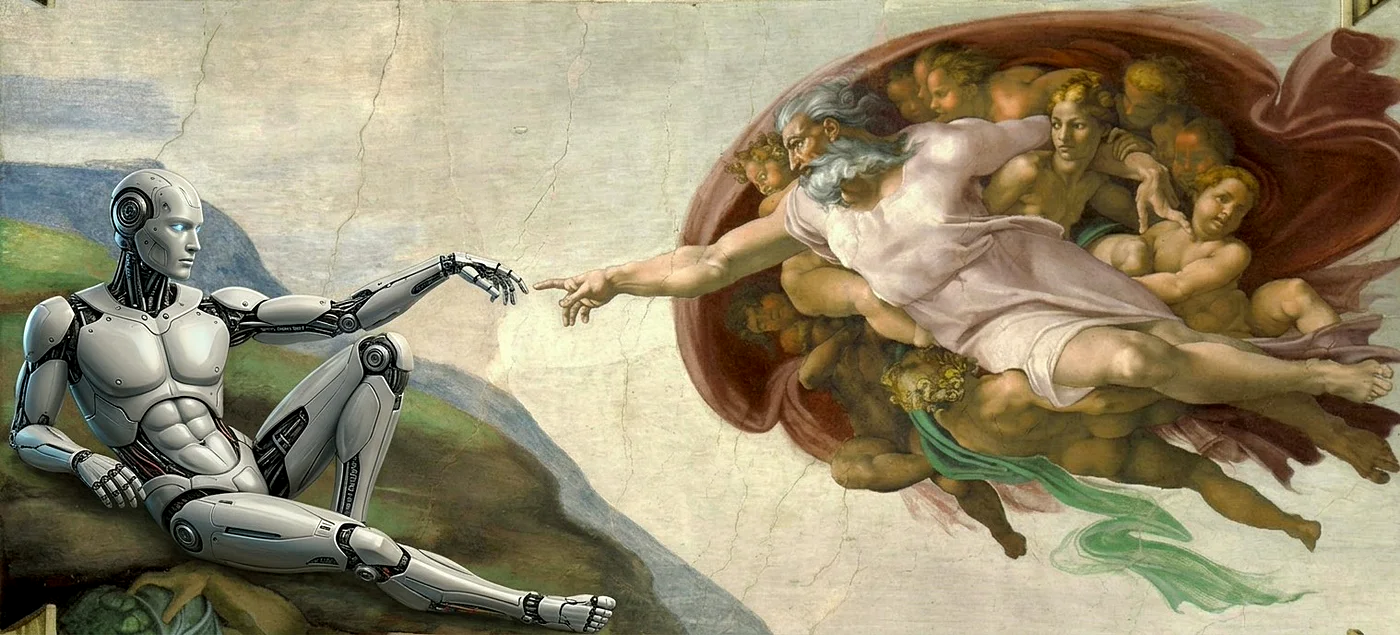
What is technophobia?
The fear of technology, defined and taken seriously.
Technophobia is the fear or dislike of, or discomfort with, advanced technology and complex devices. The word joins the Greek technē (art, skill, craft) and phobos (fear), and today it is most often used about computers, automation and artificial intelligence.
It covers a wide range. At one end is ordinary reluctance: not wanting to learn another app. At the other is anxiety strong enough that a person avoids a technology altogether. In between sits the form this publication is named for, a reasoned unease about what a technology will do to work, privacy and control.
How is technophobia defined?
Dictionaries define it simply, as fear of or aversion to technology, especially computers and high technology. Researchers are more specific. A 2018 study by Odai Khasawneh in Technology in Society describes technophobia as fear or anxiety formed in response to a new technology that changes a person’s established routine for doing a job or task. On that account it can show up actively, as avoidance, or passively, as distress and apprehension.
The psychologist Larry Rosen, who studied the subject with Michelle Weil in the 1990s, sorted technophobes into three groups: uncomfortable users, who are slightly anxious but get on with it; cognitive computerphobes, who look calm but doubt themselves; and anxious computerphobes, who show the classic signs of anxiety when using a machine.
Is technophobia a real phobia?
It is a real and studied experience, but it is not usually treated as a separate clinical diagnosis. The term is used loosely, and most of what it describes is not a disorder. It is discomfort, reluctance or distrust. When fear of technology is strong enough to disrupt daily life or work, a mental health professional can assess it in the same way as other specific fears.
There is also a long-running argument about the word “irrational”. Technophobia is generally used to mean an irrational fear, but others hold that many of the fears are justified. This publication takes the second view seriously. See why it has this name.
Where does technophobia come from?
The fear is much older than the word. A short history:
- 1811. In England, textile workers organising under the name “Ludd” begin breaking the machines that were replacing skilled artisans with cheaper labour. The Luddites protested how the machines were being used, not the invention itself.
- 1818. Mary Shelley publishes Frankenstein, often cited as an early example of technophobic ideas in art: a creation that escapes its maker.
- After 1945. Hiroshima, Nagasaki and the Cold War turn fear of technology into fear for the survival of the species.
- 1960s. The word “technophobia” comes into use in English.
- 1980s and 1990s. Personal computers arrive in offices and homes, and psychologists begin measuring “computerphobia”. The Terminator (1984) gives the fear of a self-aware machine its most familiar image.
- 2020s. Generative AI moves the fear from devices to decisions: who writes, who judges, who is hired, and who is in control.
How common is technophobia?
More common than the insult suggests. In a study published in Computers in Human Behavior, Michelle Weil and Larry Rosen surveyed 3,392 first-year university students in 23 countries between 1992 and 1994. Overall, 29% reported high levels of technophobia, and in several countries the share was over half.
The same pattern holds for AI today. Pew Research Center reports that 52% of Americans are more concerned than excited about the increased use of AI in daily life, up from 37% in 2021, and that for the first time a majority of adults under 30 share that view. Across 25 countries surveyed by Pew in 2025, a median of 34% were more concerned than excited, and in no country was the largest group more excited than concerned.
Is fear of AI technophobia?
In the broad sense, yes: it is fear or discomfort directed at an advanced technology. But the label says nothing about whether the fear is reasonable. The things people say they fear about AI are specific: losing work, losing the ability to tell what is true, being watched, and handing important decisions to systems nobody can fully explain.
Some of those fears can be checked against evidence. Our piece on what the job forecasts actually say about AI does that for employment, and ends with a Technophobia rate: a score from 0 to 100 for how much reason for fear the evidence gives.
Technophobia and related terms
| Term | What it means |
|---|---|
| Technophobia | Fear or dislike of, or discomfort with, advanced technology |
| Technophilia | Strong enthusiasm for technology; the opposite attitude |
| Luddism | Historically, the 1811 movement of English textile workers who broke machines; loosely, any resistance to new technology |
| Neo-Luddism | A modern philosophy that opposes or questions many forms of modern technology |
| Computerphobia | The 1980s and 1990s term for anxiety about using computers |
Frequently asked questions
What does technophobia mean?
Technophobia means fear or dislike of, or discomfort with, advanced technology. It ranges from mild unease about a new device to strong anxiety and avoidance. The word comes from the Greek technē (art, skill, craft) and phobos (fear).
Is technophobia a real phobia?
It is a real and studied experience, but it is not usually treated as a separate clinical diagnosis. In everyday use the word covers a wide range, from ordinary reluctance to anxiety strong enough to make someone avoid a technology. When fear of technology disrupts daily life, a mental health professional can assess it in the same way as other specific fears.
What causes technophobia?
Common sources are fear of losing a job or a skill to a machine, fear of losing control or privacy, unfamiliarity with how a system works, bad past experiences, and the speed of change itself. Research by Odai Khasawneh describes it as a response to a new technology that changes a person's established way of doing a task.
Is fear of AI a form of technophobia?
Yes, in the broad sense: it is fear or discomfort directed at an advanced technology. Whether it is irrational is a separate question. Concerns about jobs, misinformation, surveillance and loss of human control over powerful systems are shared by many researchers and are reflected in public surveys.
What is the opposite of technophobia?
Technophilia: strong enthusiasm for technology. Most people sit somewhere between the two, and many hold both attitudes at once about different technologies.
What is the difference between a technophobe and a Luddite?
A technophobe fears or is uncomfortable with technology. The Luddites were English textile workers who, from 1811, broke machines in protest at what mechanisation was doing to their trades and wages. Their objection was to how machines were used against them, not to machines as such. Today the word Luddite is used loosely for anyone who resists new technology.
Sources
- Khasawneh, O. Y. (2018). “Technophobia: Examining its hidden factors and defining it.” Technology in Society, 54, 93–100. doi:10.1016/j.techsoc.2018.03.008
- Weil, M. M. and Rosen, L. D. (1995). “A Study of Technological Sophistication and Technophobia in University Students From 23 Countries.” Computers in Human Behavior, 11(1), 95–133. doi:10.1016/0747-5632(94)00026-E
- Pew Research Center (2026). Young adults in the U.S. are increasingly wary of AI, concerned it will take jobs.
- Pew Research Center (2025). Concern and excitement about AI, a survey of 25 countries.
- “Technophobia”, Wikipedia, for the etymology, dictionary definitions and general history.
Last updated . This page is general information, not medical advice.